
MediFacility
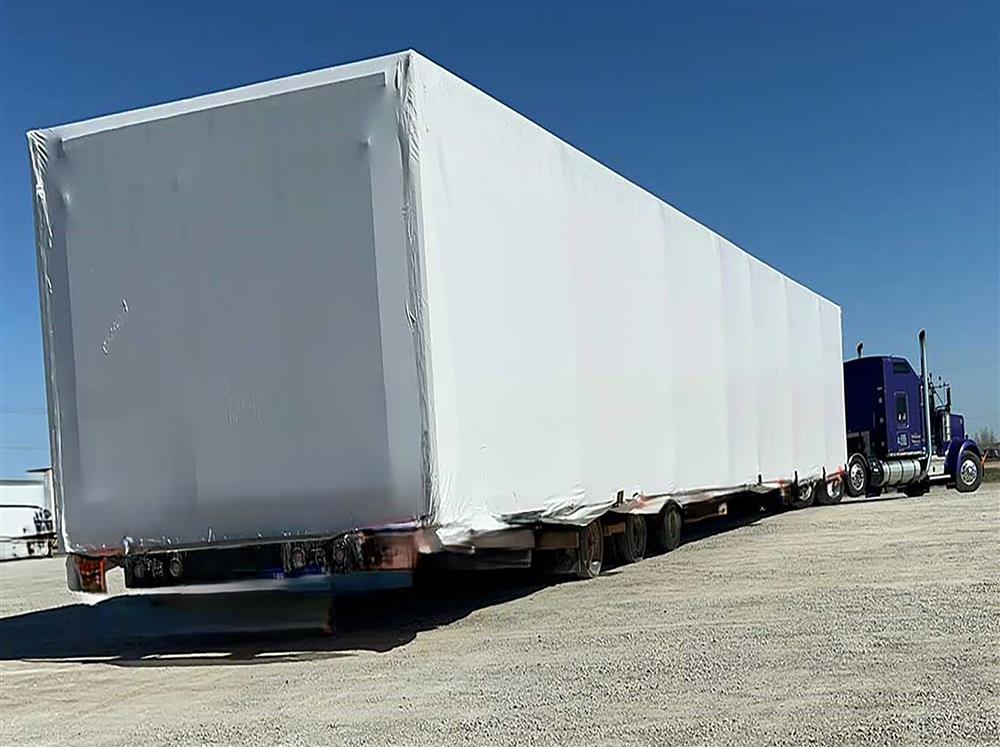
Modulars are Designed to be Transportable
Modular units are specifically designed to be transportable. This design consideration is crucial for ensuring that they can be efficiently moved from one location to another while maintaining their functionality and integrity. Here are some key design aspects that make modular units suitable for transport:
1- Transport-Friendly Dimensions: The size and weight of modular units are optimized for standard transport options. They are designed to fit within the dimensions of shipping containers, truck beds, or aircraft cargo holds.
2- Transportation Regulations: The design adheres to relevant transportation regulations and standards, ensuring that the module meets legal requirements for transport.
3- Compact and Foldable: Many modular units are designed to be compact or even foldable. This allows them to be packed into containers or transport vehicles more efficiently.
4- Ease of Assembly: Modular units are designed to be easily assembled at the destination. This often involves straightforward assembly procedures that can be performed with minimal tools and time.
5- Assessment and Design: Ensure that the modules are designed to be transportable. This includes modular design considerations and ensuring all components are securely fastened.
6- Regulations and Compliance: Check local, regional, and international regulations related to transporting healthcare equipment. This may include health and safety standards, transport regulations, and specific requirements for medical equipment.
7- Modular Components: They may consist of pre-fabricated, interchangeable components that can be quickly assembled or disassembled as needed.
8- Safety Standards: The unit is designed with safety in mind, complying with safety standards that protect the structure and its contents during transportation.
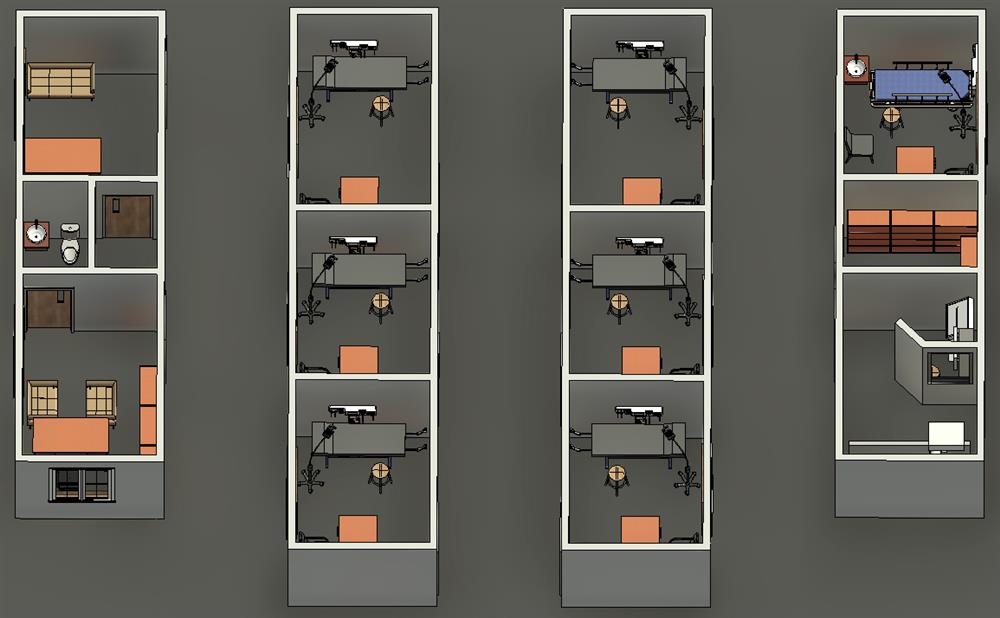
By incorporating these design features, modular units can be transported efficiently and safely, allowing for their deployment in various locations as needed. This design flexibility is particularly valuable in fields like healthcare, where rapid deployment and mobility are crucial.
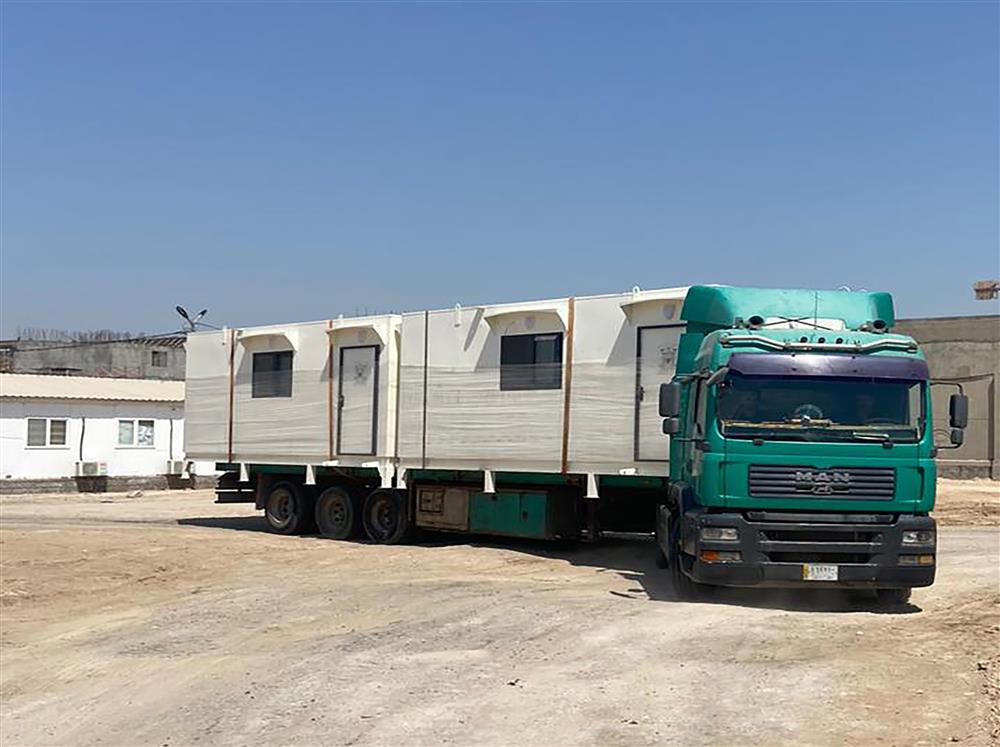
The versatility of turnkey construction also extends to its applications in different locations and environments. MediFacility design modules can be easily transported and installed in remote or challenging areas where traditional construction methods may not be applicable. Additionally, modular construction offers flexibility in terms of expansion or modification. As businesses grow or requirements change over time, modular buildings can be easily expanded.